Why Use Multiple Models?
The value of using multiple models to understand psychological type is that each offers a different lens—bringing out distinct dimensions of a person’s inner life. Together, they illuminate, contrast, and confirm one another.
Different models help us see ourselves from different angles. Each offers language the others might not. Used together, they help us avoid overgeneralizations and unhelpful boxes.
If all you have is a hammer, everything looks like a nail. But type is subtle, fluid, and dynamic. The more tools we use, the better we see what’s really there.

Temperament: INFJ as "Catalyst"
INFJs align with the Catalyst (or “Idealist”) temperament. Catalysts use abstract language, cooperate in roles, and focus on motive. This model helps differentiate INFJ from SF and NT types.
Language Focus
Stabilizer / Improviser: Concrete
Catalyst: Abstract
Role Orientation
Theorist / Improviser: Pragmatic
Catalyst: Cooperative
Focus of Attention
Theorist / Stabilizer: Structure
Catalyst: Motive
From Understanding Yourself and Others: 4 Temperaments 3.0 by Dr. Linda Berens.
Interaction Style: "Chart-the-Course"
INFJs tend to use the Chart-the-Course style: responding rather than initiating, directing rather than informing, and focusing on movement. This model helps distinguish NFJs from NP types.
Initiation Style
In-Charge / Get-Things-Going: Initiating
Chart-the-Course: Responding
Role Definition
Behind-the-Scenes / Get-Things-Going: Informing
Chart-the-Course: Directing
Core Interest
In-Charge / Behind-the-Scenes: Control
Chart-the-Course: Movement
From Understanding Yourself and Others: Interaction Styles 2.0 by Dr. Linda Berens.

Personality Type Code: Lookalikes
If you're still unsure about your best-fit type, you might explore descriptions of nearby types, like INTJ, INFP, and ENFJ. Read carefully, and consider inviting trusted others to weigh in.
Recommended reading: The 16 Personality Types: Descriptions for Self-Discovery by Berens & Nardi. For a model overview, see Understanding Yourself and Others: The Type Code.
Bringing It Together
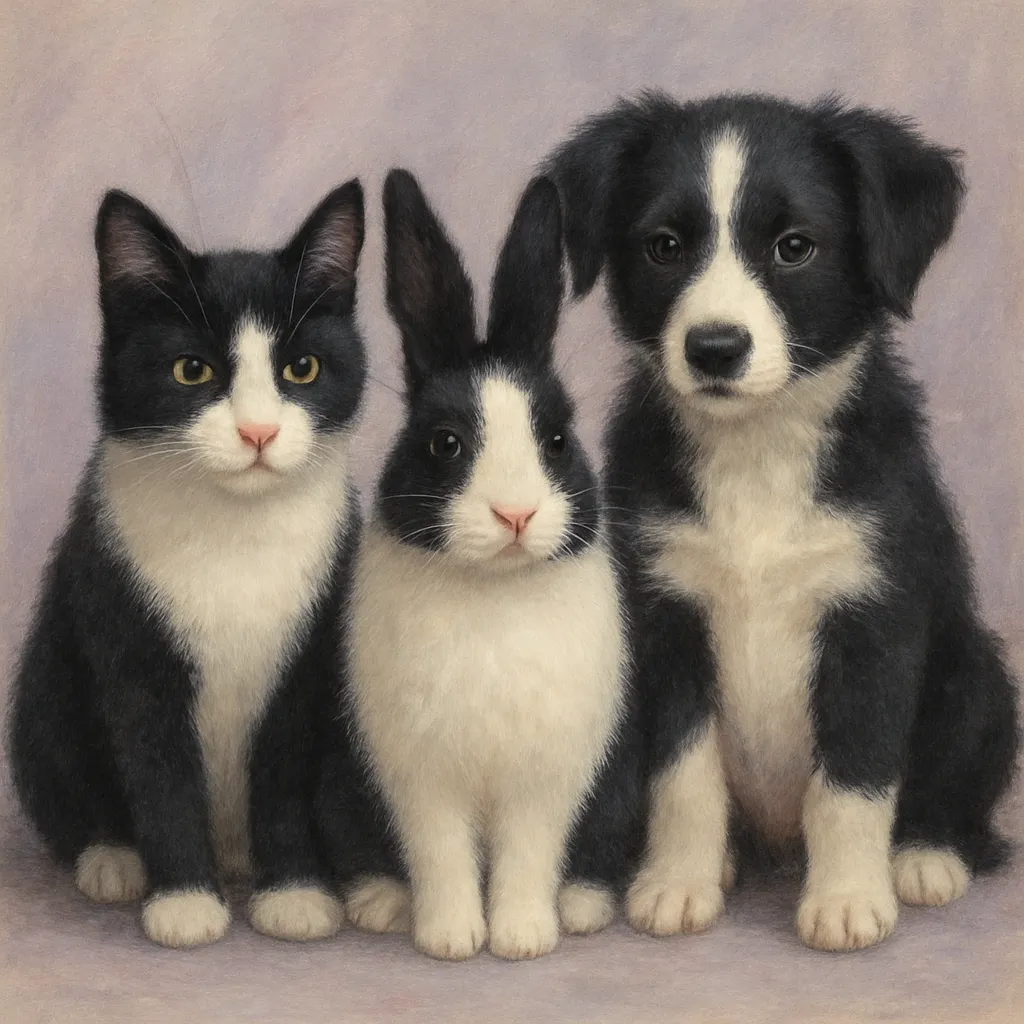
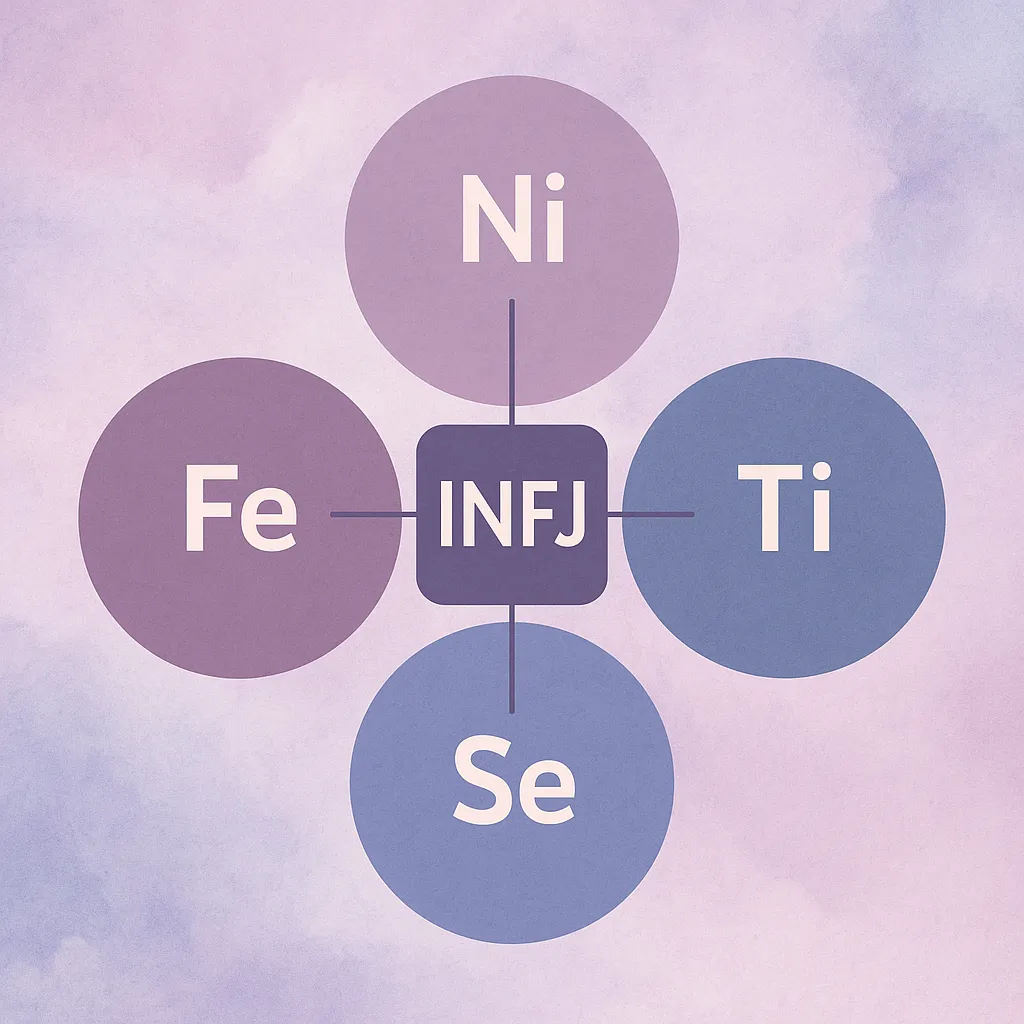
Taken together, INFJs are Chart-the-Course Catalysts who prefer Ni–Fe–Ti–Se (with some shadow access to Ne–Fi–Te–Si). Whew!
A Note on “Mutability”
One's native type doesn’t change over time, but how we express it does. In different contexts and seasons, we may appear to shift. That’s why it’s wise to use multiple models—to arrive at a richer, more nuanced understanding of our psychological pattern.

Navigate this section using the hamburger menu (☰) in the upper right corner.

Reading & Invaluable Resources
If you would like to know more about typology in general, here's some useful material.
Read More
Newsletter/Blog - Dolphin Dive
This chronicles how one INFJ is moving through the world.
Take a Look