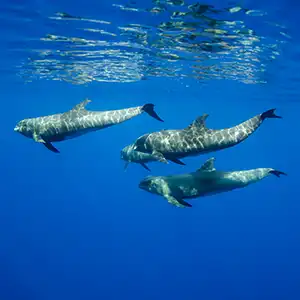
The Dolphin
When I first heard that Catalysts (often called Idealists) had dolphins as their symbolic totem, my reaction was… skeptical. “Oh no, how corny,” I thought. I’ve never been the type to swoon over dolphins, kitties, or bunnies the way some people do. The idea seemed saccharine. Honestly, I couldn’t help but picture the dolphins in The Hitchhiker’s Guide to the Galaxy waving goodbye while echoing “Thanks for all the fish!”—amusing, yes, but hardly soul-stirring. Dolphins felt more cartoonish than archetypal.
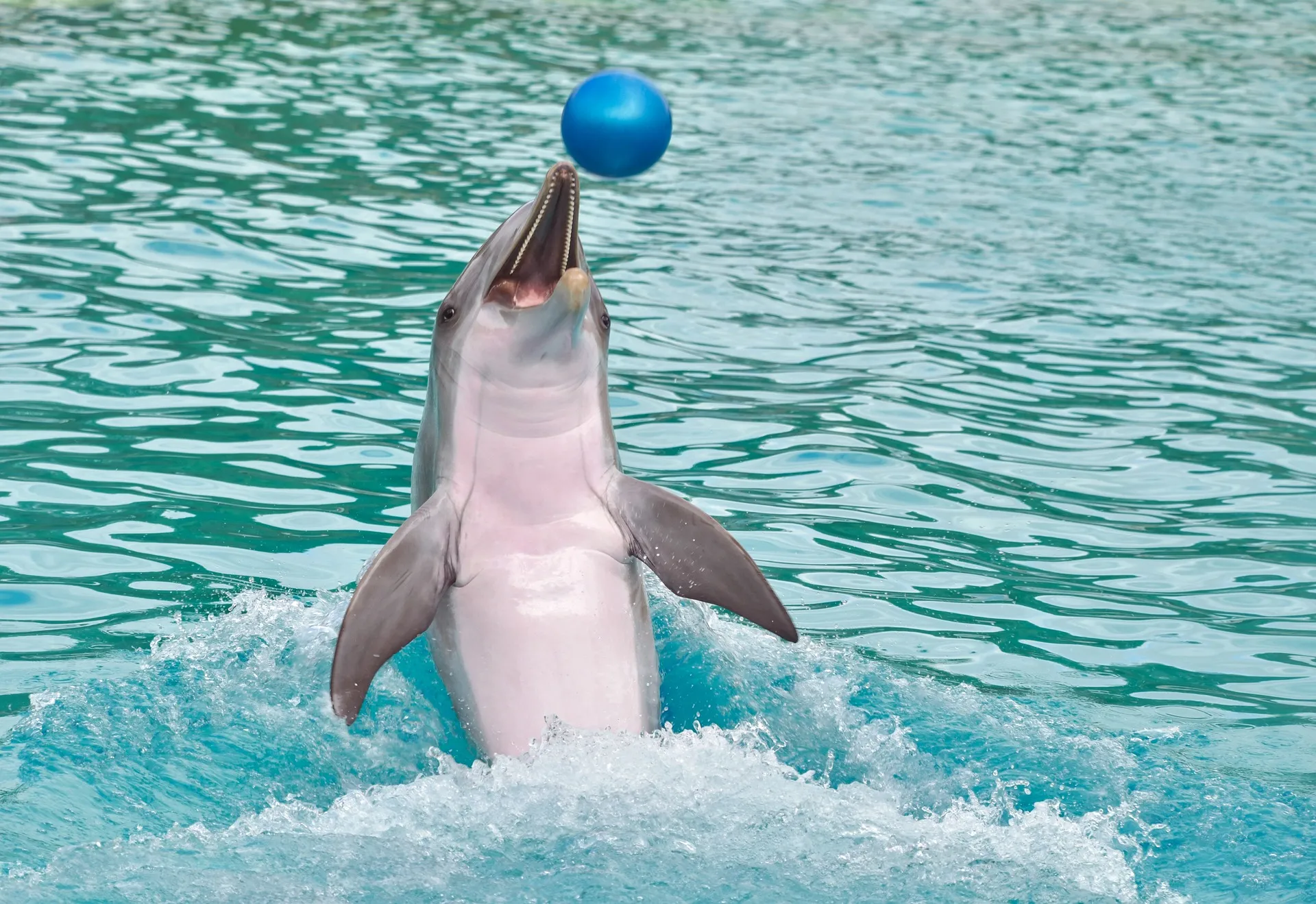
Don’t get me wrong—I have nothing against dolphins per se. My initial resistance was mostly about what they symbolize culturally. Dolphins are often seen performing tricks at Sea World, jumping through hoops, bouncing beach balls, and grinning on command. That image grated on me. As someone who values inner autonomy and complexity, I didn’t want to be represented by an animal that’s trained to entertain.
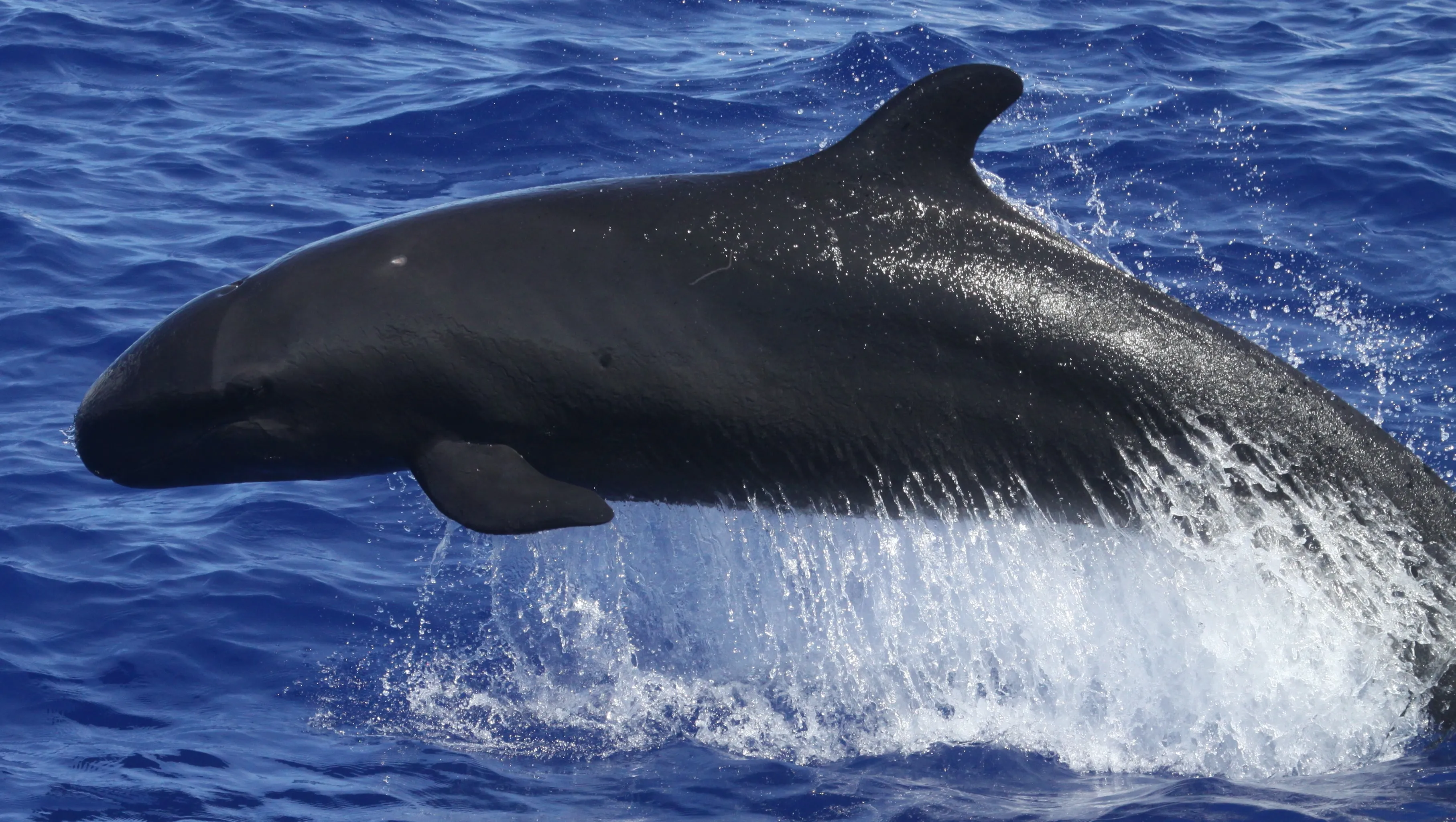
Mythical versus Real
At one point, I heard that David Keirsey originally aligned the intuitive temperaments with mythical creatures—Rationals were assigned griffins, and Idealists were assigned unicorns. Now that resonated. Like many idealistically inclined teens, I’d once had a mild obsession with unicorns.
But reportedly, the use of mythical creatures was later challenged, and Keirsey swapped them out for real-world animals to make the system feel more balanced: Rationals were given the owl, and Idealists were assigned the dolphin. I wasn't too happy about that!
Over time, though, my skepticism softened.
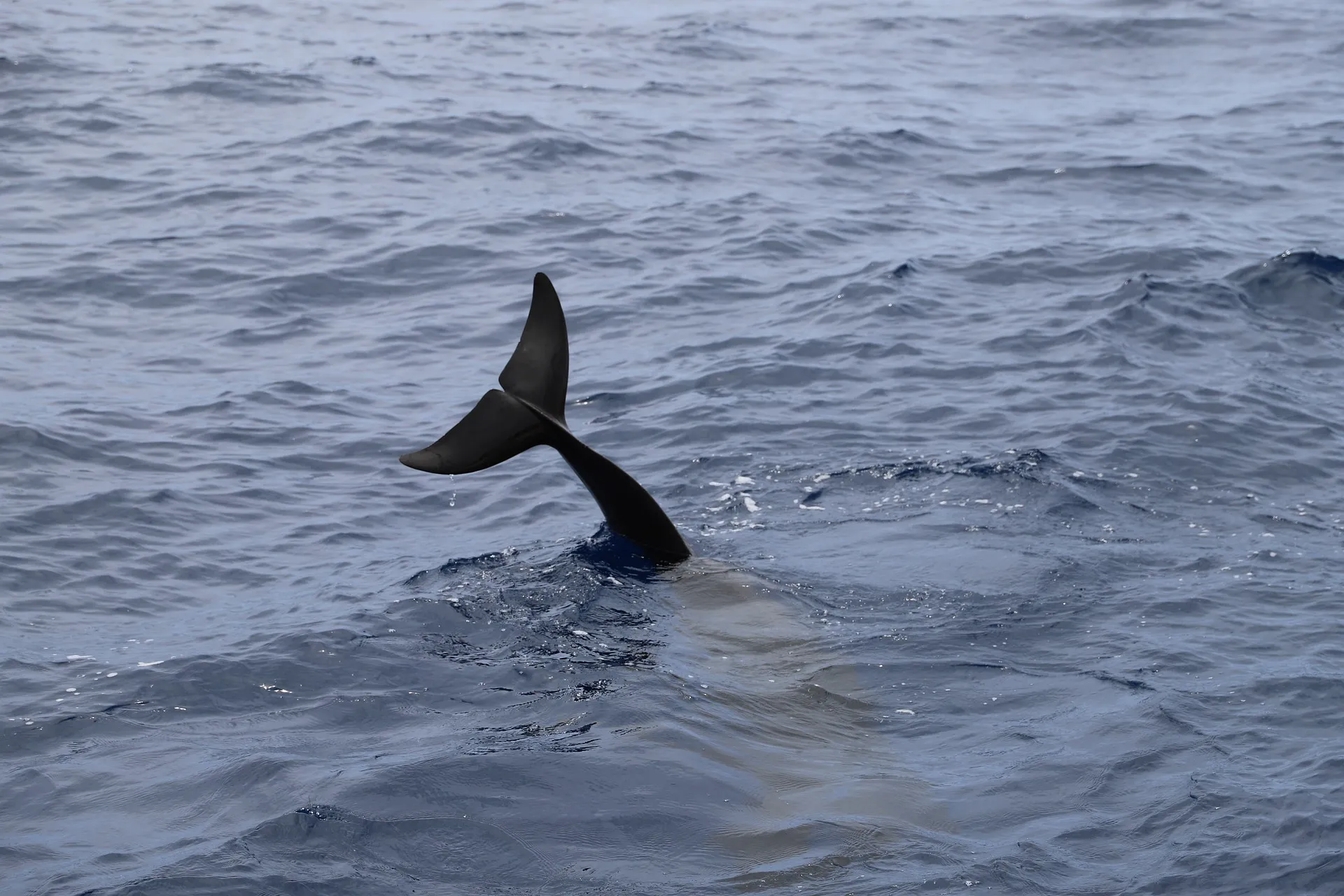
Dolphin Characteristics
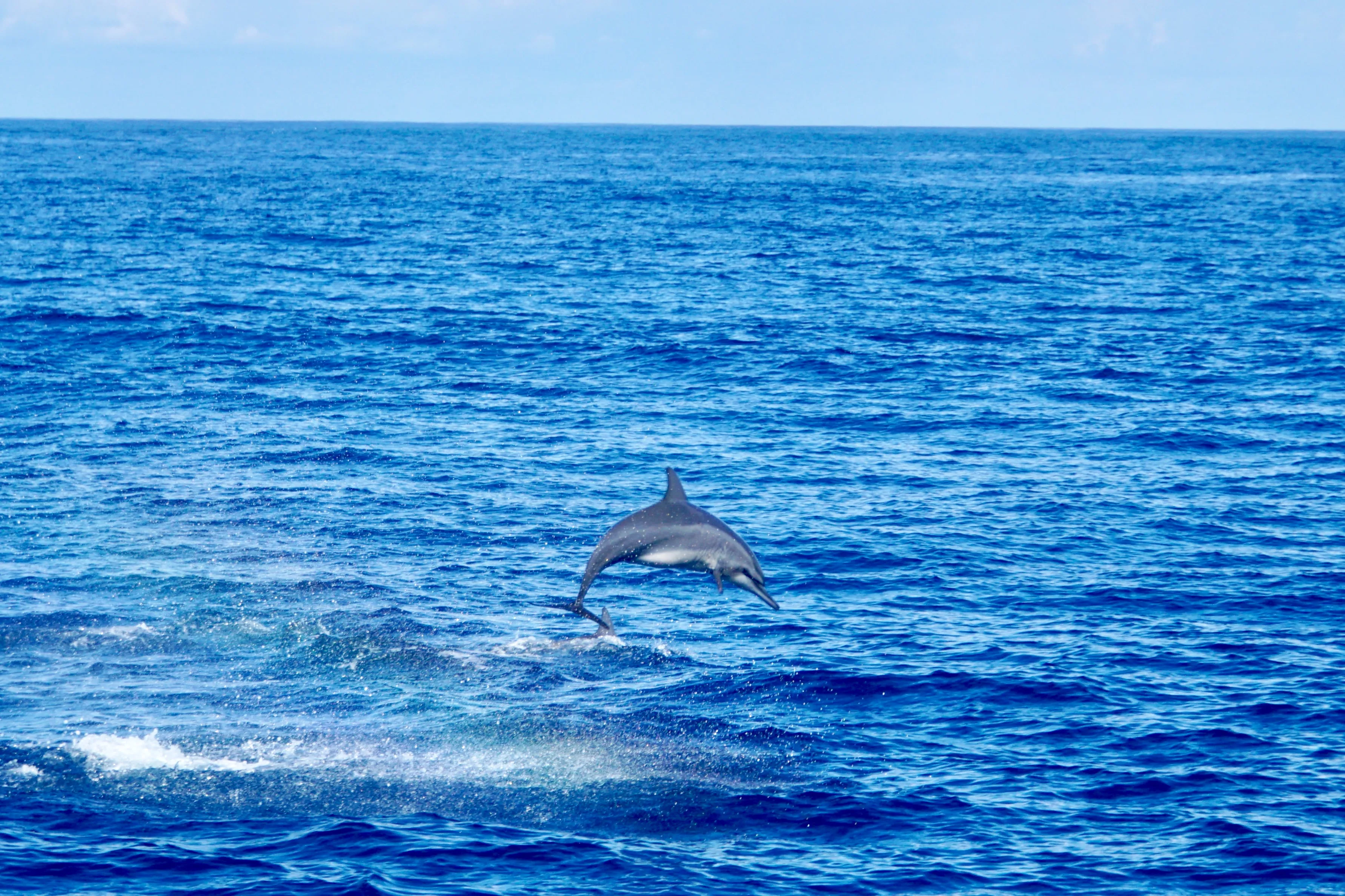
During a workshop on the four temperaments, we were asked to brainstorm everything we knew about dolphins. To my surprise, the parallels to the Catalyst temperament—especially INFJs—were striking.
Take a moment. What comes to mind when you think of dolphins? (Setting aside the Sea World imagery for now.)
Most people describe dolphins as:
• Playful and lively
• Intelligent—clearly aware, even cunning
• Charming, with their ever-present smiles
• Friendly—able to connect across species
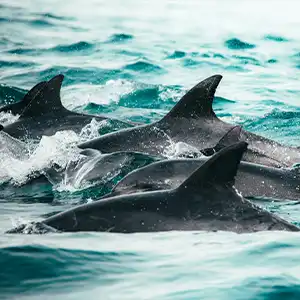
• Affiliative—they thrive in pods, working together, even midwifing births and caring for one another’s young
• Relational—they seek and initiate connection, including with humans
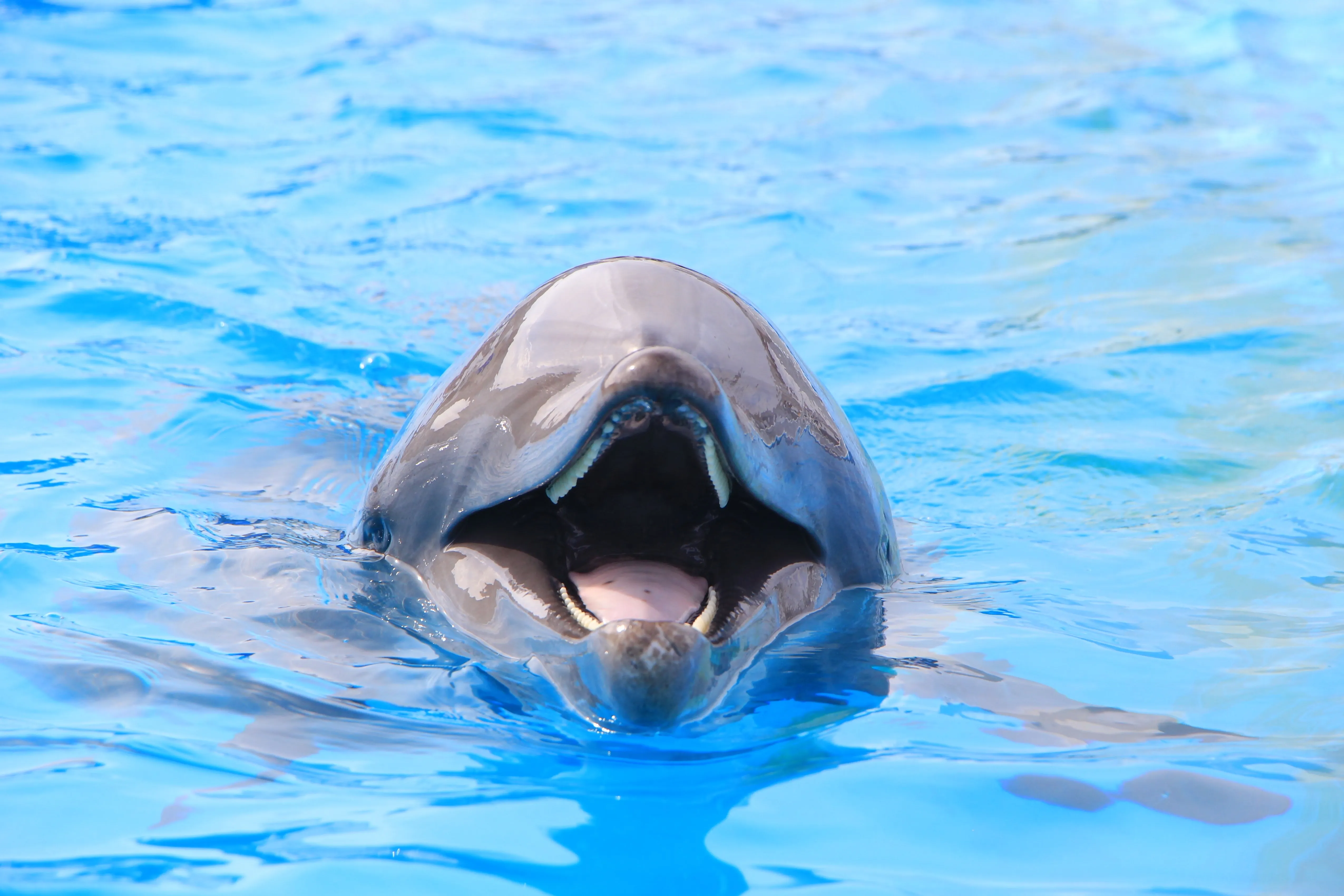
• Communicative—masters of sonar, using echolocation to navigate, locate, and relate
• Protective—capable of fatally injuring sharks with a well-placed strike of the nose
• Healing—believed by some to help treat conditions like autism
• Magical and inspirational
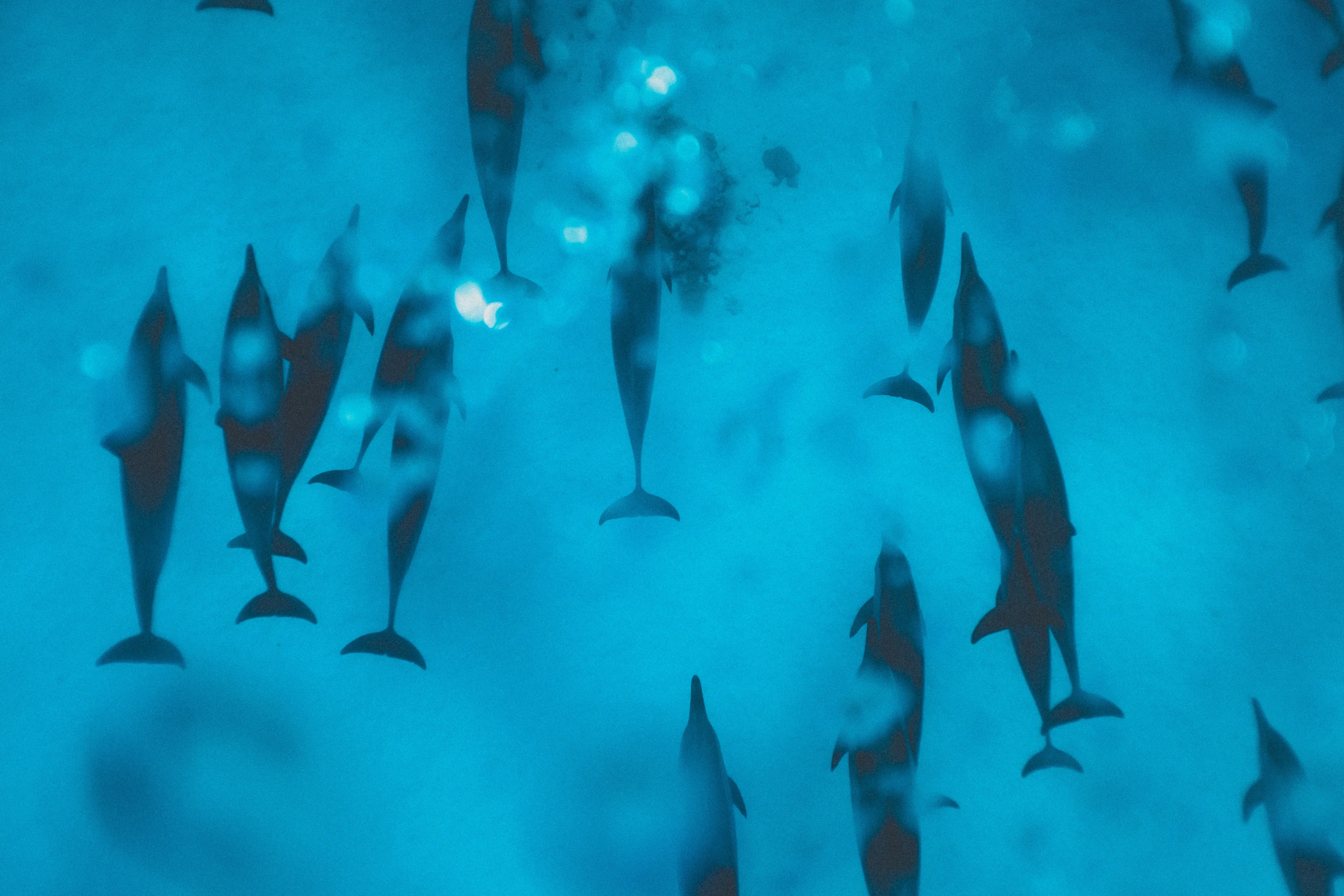
Human Similarities
Now, consider this:
• Dolphin skin is surprisingly similar to human skin—thin and bruise-prone, a kind of vulnerability that feels… familiar.
• Dolphins care for the injured and the sick, even holding them above water to breathe.
• They are one of the only species (besides humans) known to mate for pleasure. In fact, sexual play is frequent, unbound by age, sex, species, or social status—including attempts to engage with humans and turtles!
• According to The Columbia Encyclopedia, dolphins can:
o Memorize and imitate
o Solve complex problems
o Perform intricate, multi-step tasks
o Learn from observation
o Communicate experiences
o Perform “trained” behaviors primarily for their own amusement
Dolphin Trivia
In fact, dolphins' so-called training is really play-based learning.
Shockingly, dolphins in captivity—if denied social interaction or mental engagement—have been known to die by their own will, through starvation, impact, or drowning.
Some scientists even suggest dolphins can influence human DNA. And in certain spiritual circles, dolphins are seen as emissaries of a higher consciousness—a sort of living metaphor for joy, healing, and intuitive knowing.
When you look at this list of dolphin traits, and hold it next to the INFJ (or Catalyst) pattern, the resonance becomes hard to ignore. Swap “echolocation” for “empathy,” and it starts to sound like a poetic metaphor for intuitive connection.
Like Catalysts, dolphins can be found around the globe. Some even live in rivers—including the Mississippi, once upon a time.
What ultimately won me over? Discovering that pink dolphins exist. Yes, pink! How could I resist?
Personal Encounters
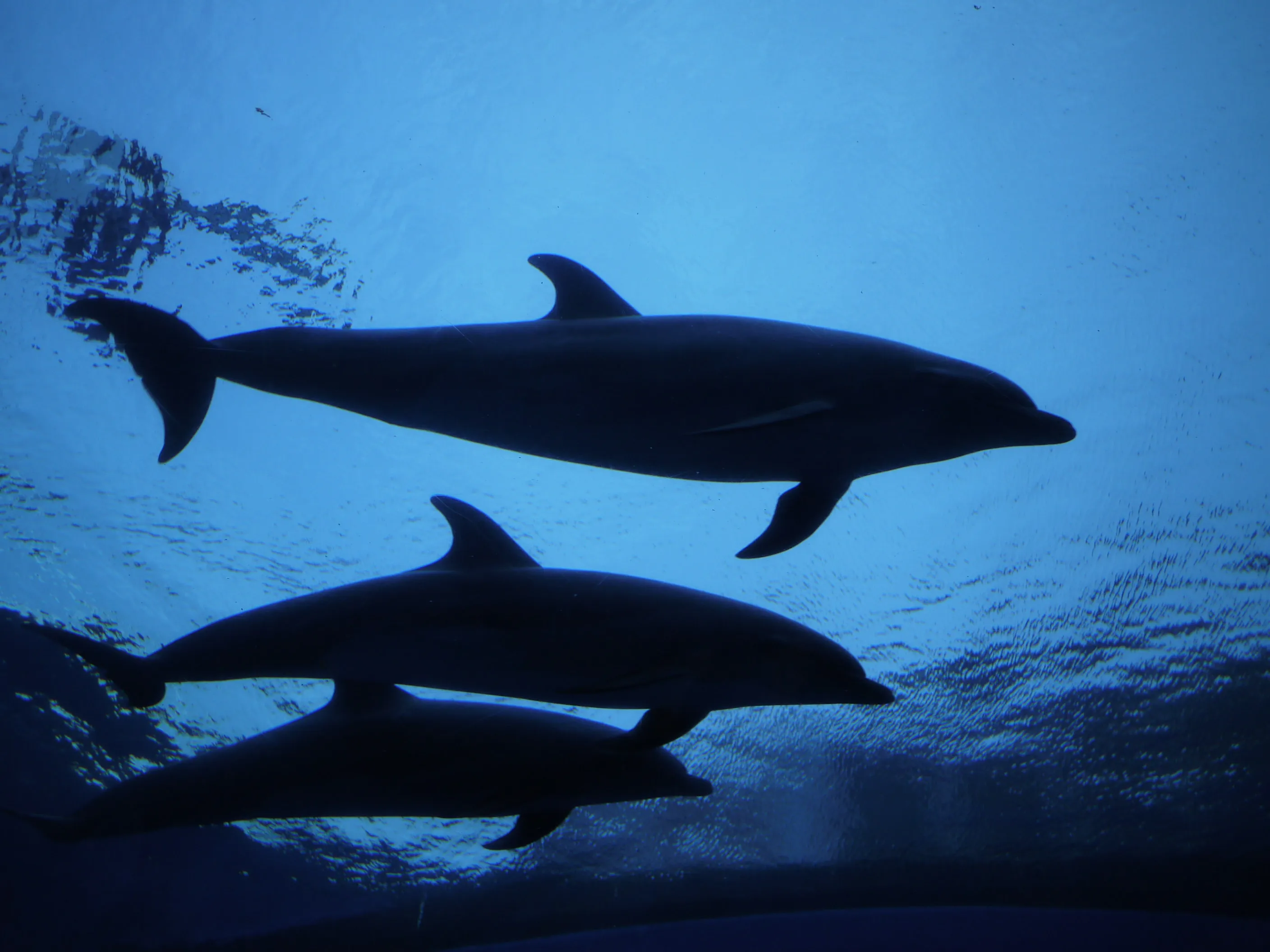
On a trip to Las Vegas, I detoured from the usual strip attractions and visited the Dolphin Habitat at The Mirage. (Insider tip: Wednesdays are half price.) Instead of feeding coins to machines, I spent hours watching them feed fish to dolphins, photographing them, and observing them underwater. It was a stretch for someone who leans on iNtuition to stay present with such a Sensory experience—but it was deeply rewarding. By the end, I felt lighter. Recharged. A little more in sync.
Later, I had the unforgettable experience of hand-feeding wild dolphins at Tangalooma Resort on Moreton Island off the coast of Australia. If dolphins are our symbolic cousins, I figured, it was time to connect more directly.
Dolphins in Myth and Symbol
Throughout history, dolphins have held sacred meaning across cultures—often associated with mystery, transition, and soul-guidance.
Greek Mythology: Dolphins guided souls to the Isles of the Blessed, tied to both the sun and the moon. “Diviner than the dolphin is nothing yet created...” —Oppian, Halieutica
Christian Symbolism: Christ as the dolphin—a savior of souls, ferrying them over the waters of death.
Egyptian Mythology: A creature dedicated to Isis, symbol of divine motherhood and healing.
Roman Belief: The dolphin helped souls traverse the sea of death toward paradise.
Celtic Lore: Guardians of sacred wells and waterways—embodying the powers of water.
As Carl Sagan noted: “Some dolphins have learned English—up to fifty words used in context—but no human has yet learned Dolphinese.”
Final Thoughts
Revisiting the dolphin as a symbolic totem for INFJs (or Catalysts) changed my perspective. What at first felt cheesy now feels uncanny – to the point where I have emphasized the dolphin theme in this website design – partly as a reminder of our dolphin “heritage.” This is especially important when we feel drawn to be intellectually superior or cynical or non-dolphin-like in our comportment, pressured to be other than we are (something many INFJs struggle with).
There’s a deep, almost mythic parallel between the dolphin’s relational intelligence and the INFJ’s intuitive depth. Let the dolphin spirit call you back to who you are and restore the birthright of your being.
If you ever get the chance to sit with dolphins — not just at a show, but with them—give yourself that gift. You may walk away feeling unexpectedly understood.
Navigate this section using the hamburger menu (☰) in the upper right corner.
Reading & Invaluable Resources
If you would like to know more about typology in general, here's some useful material.
Read More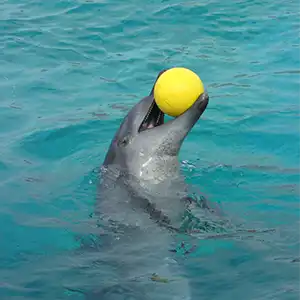
Newsletter/Blog - Dolphin Dive
This chronicles how one INFJ is moving through the world.
Take a Look